Cómo el humilde reloj de pulsera aprendió a volar
El reloj de piloto fue una solución a un pequeño problema: una persona volando manualmente un avión, con frío y ambas manos ocupadas, necesitaba saber algo sobre el tiempo. Todo lo que vino después, desde las coronas sobredimensionadas hasta las reglas de cálculo y las zonas horarias adicionales, fue ese mismo problema volviéndose más complicado a medida que las aeronaves volaban más rápido y más lejos.
Nada de esto se añadió meramente como decoración. Los relojes de piloto ganaron sus características una incomodidad a la vez, y aquí está cómo pasaron de un reloj de bolsillo en una correa a los instrumentos que construimos hoy.
Comenzó con un hombre que necesitaba sus manos
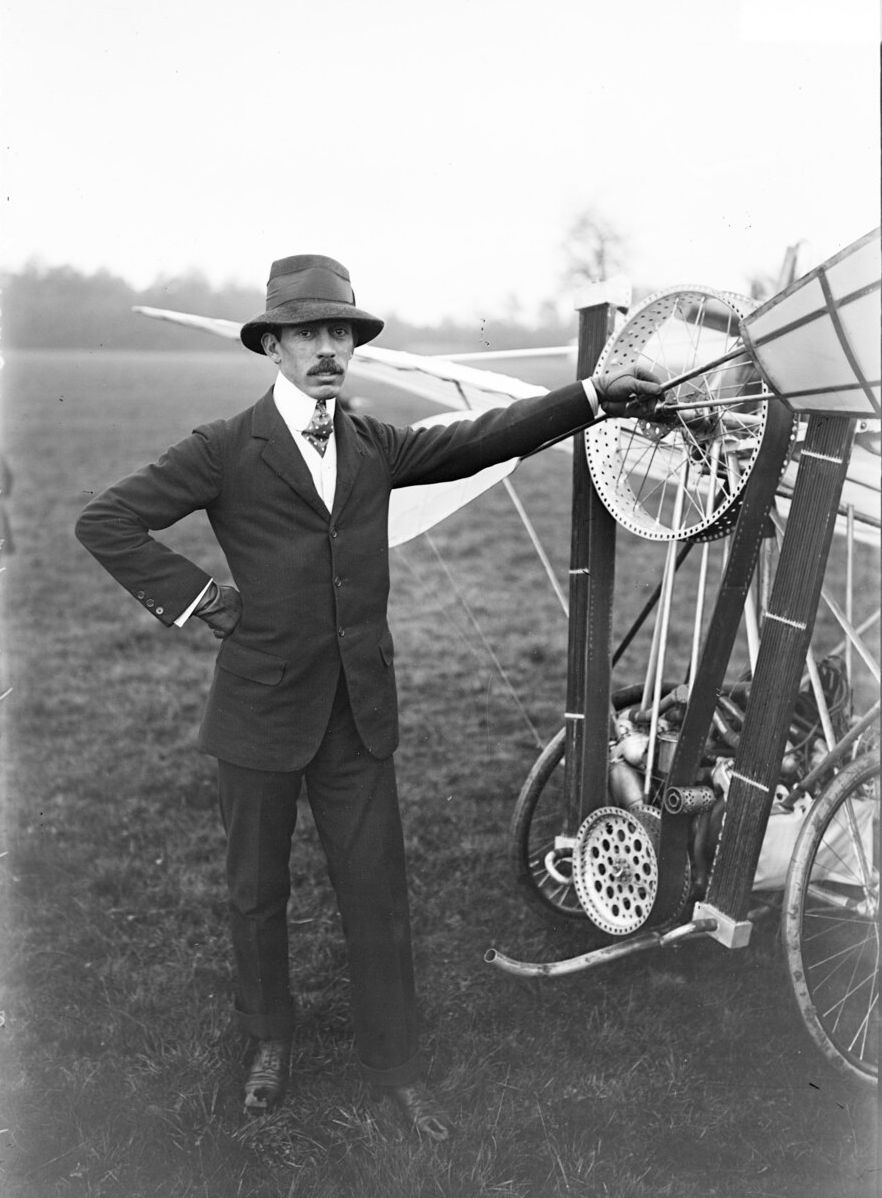
En 1904, el aviador brasileño Alberto Santos-Dumont se quejó con su amigo Louis Cartier de que sacar un reloj de bolsillo en pleno vuelo era un poco molesto, algo comprensible. La respuesta de Cartier fue un reloj plano y cuadrado que se usaba en la muñeca y se leía de un vistazo: el Santos. Es ampliamente considerado como el primer reloj de pulsera masculino hecho a propósito y el primer reloj de piloto. Muchos primeros para algo que comenzó como un favor entre amigos.
Cartier no soldó asas de alambre a una caja de bolsillo y lo consideró un trabajo bien hecho; construyó algo desde cero para la muñeca, porque la muñeca era donde un piloto lo necesitaba. El reloj de bolsillo desapareció hace tiempo, pero el precedente quedó, y el género ha funcionado de esa manera desde entonces.
Luego aprendió a navegar
Una vez que las aeronaves comenzaron a cruzar océanos, decir la hora dejó de ser suficiente. Unos pocos segundos de error, multiplicados por un par de cientos de millas por hora, te dejan muy lejos de la pista a la que apuntabas, posiblemente en el país equivocado.
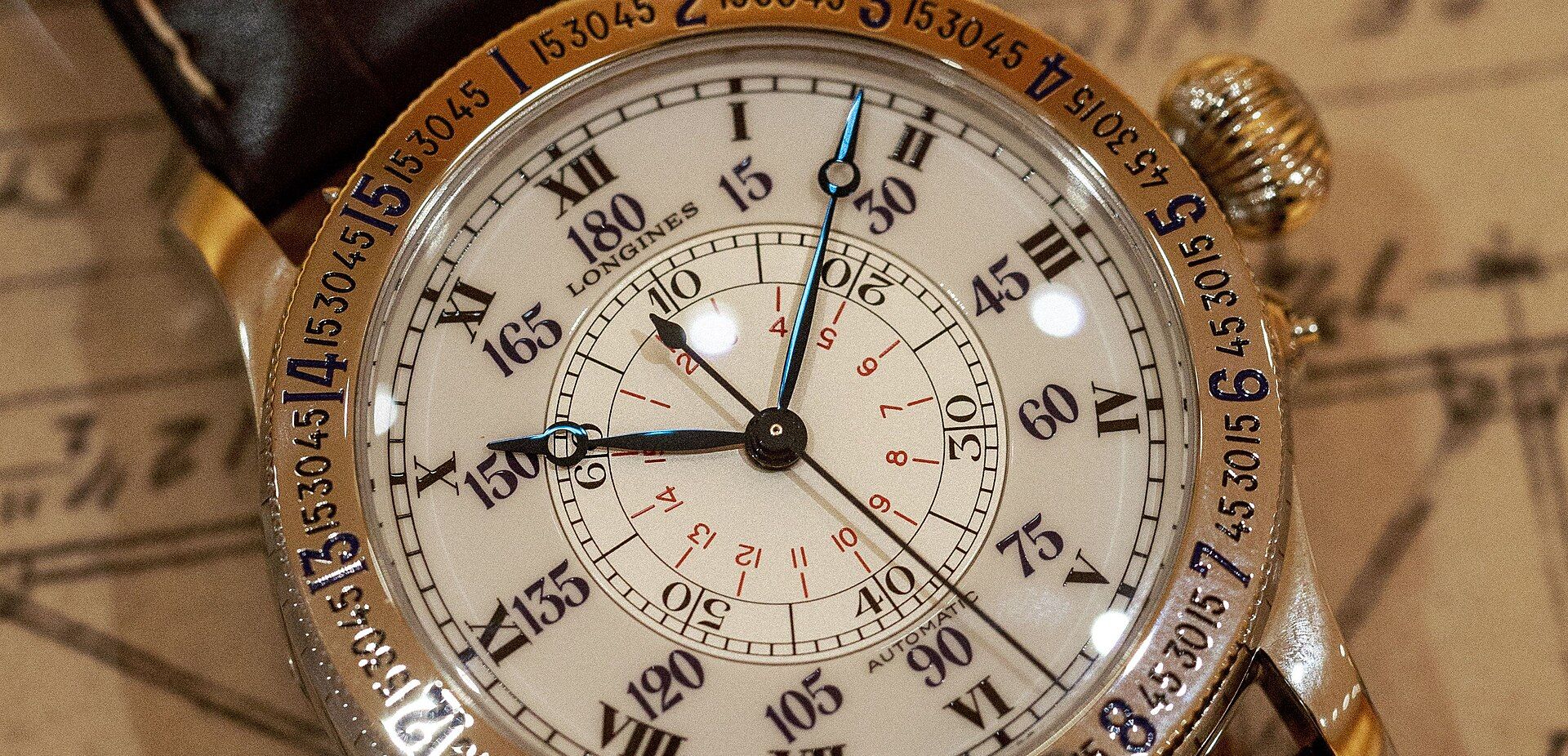
A finales de los años 20, el navegante de la Marina de los EE.UU. Philip Van Horn Weems trabajó con Longines en el Second-Setting Watch. Un dial interno giratorio permitía a un piloto sincronizar los segundos exactamente con una señal de tiempo por radio, porque en navegación, "suficientemente cerca" no lo era. Charles Lindbergh, recién llegado de cruzar el Atlántico solo, ayudó a convertirlo en el reloj Lindbergh Hour Angle de 1931, que usaba marcas en el dial y el bisel para calcular la longitud en el aire.
En algún momento, el reloj dejó de ser un cronómetro y se convirtió más en un instrumento de navegación, una forma de fijar tu posición en el planeta desde la muñeca.
La guerra lo hizo más grande
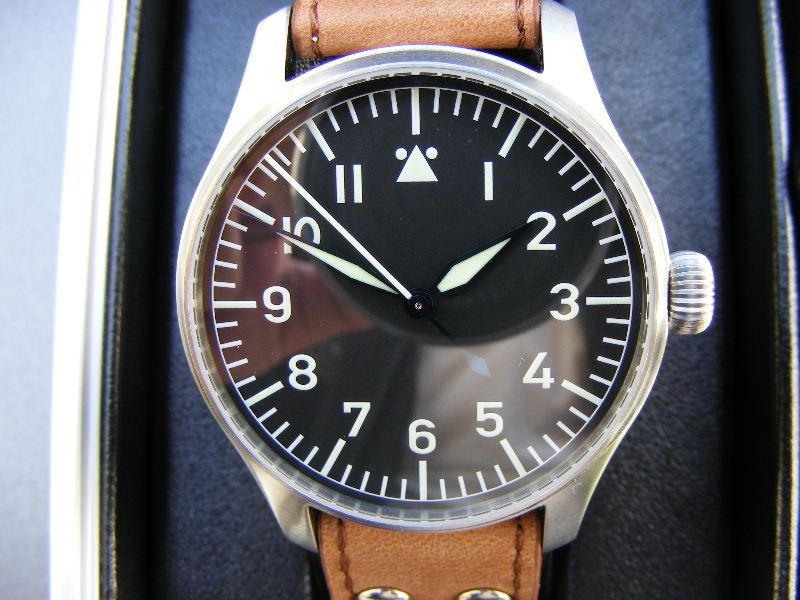
La Segunda Guerra Mundial produjo el reloj que la mayoría de la gente imagina cuando escucha las palabras "reloj de piloto", incluso si no pueden nombrarlo. El alemán Beobachtungsuhr, o B-Uhr (literalmente, "reloj de observación"), era un instrumento de navegante emitido a las tripulaciones de la Luftwaffe. No es un rincón cómodo de la historia, y no pretendemos lo contrario: los relojes pertenecían a la fuerza aérea, entregados antes de una misión y devueltos después. El diseño sobrevivió al contexto.
Eran enormes, 55mm (porque albergaban movimientos de reloj de bolsillo) y tenían que leerse instantáneamente en una cabina oscura y temblorosa, a veces usados sobre la manga de una chaqueta de vuelo. Dial negro, grandes números blancos, un triángulo a las doce para que un navegante pudiera ver de un vistazo cuál dirección era arriba, manecillas de espada azuladas, un movimiento de segundos detenibles para que toda una formación pudiera sincronizarse al mismo instante, y una corona que podías agarrar con guantes puestos. Cada decisión servía a la legibilidad y nada más.
Quita la época, y te queda un lenguaje de diseño, el look Flieger, que casi todos los relojes de aviación desde entonces han tomado prestado, incluido el nuestro. Función primero, dibujada claramente.
Una computadora para tu muñeca
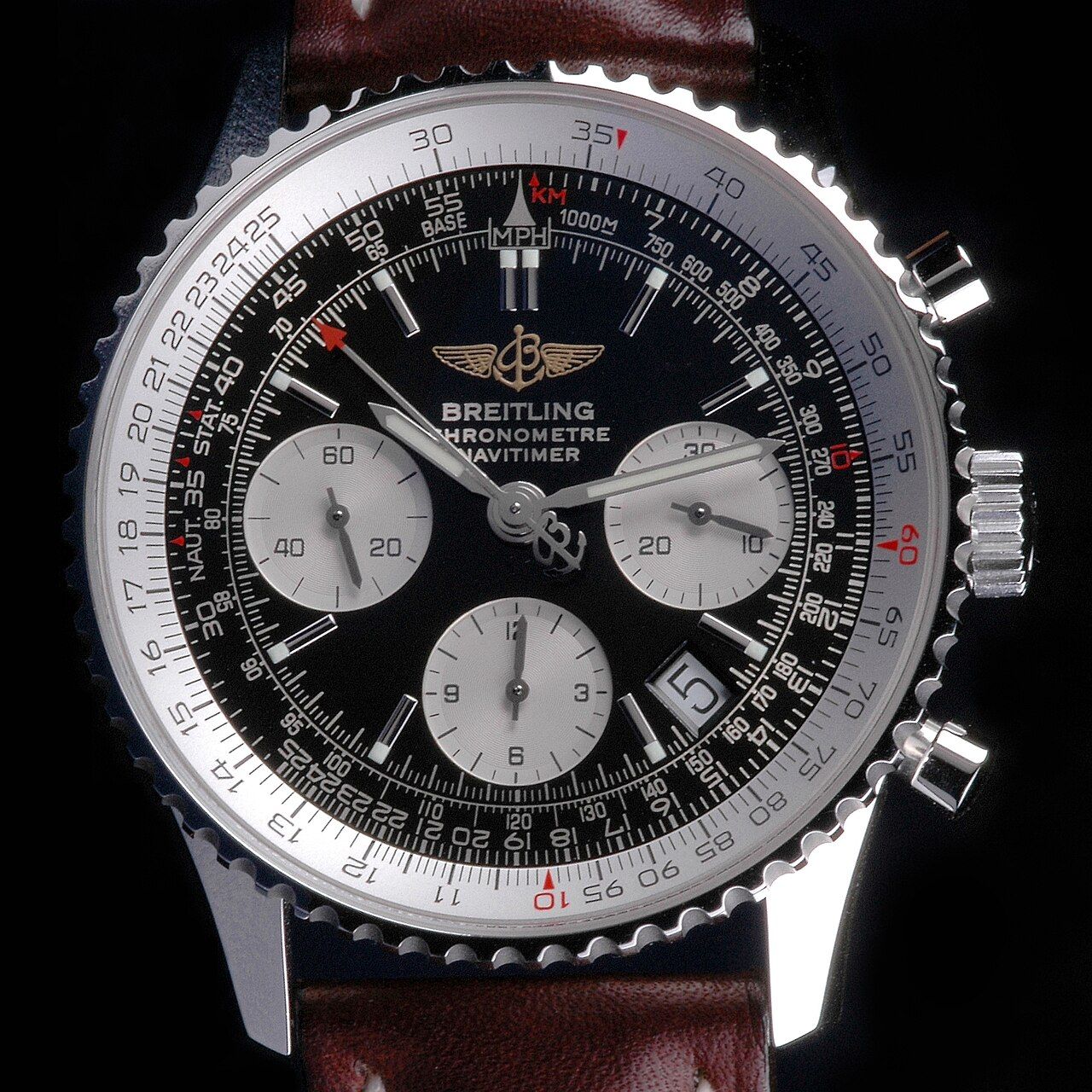
Para los años 50, volar también exigía una cantidad preocupante de aritmética mental: consumo de combustible, velocidad sobre el terreno, tasa de ascenso, convertir millas a millas náuticas, todo en pleno vuelo y décadas antes de la calculadora de bolsillo. Así que en 1952 Breitling envolvió una regla de cálculo circular alrededor del dial de un cronógrafo y lo llamó Navitimer: una computadora de vuelo funcional para la muñeca. Se ve intimidante, y lo es, pero el instinto detrás de ella es exactamente el mismo que el de Louis Cartier de 1904. Si un piloto tiene que hacer las cuentas, pon las cuentas en el reloj.
Dos lugares a la vez
Luego los jets hicieron el planeta cruzable en una tarde, y entregaron a los pilotos un nuevo problema. Ahora podías desayunar en Nueva York y cenar en París, con tu cuerpo y tu reloj igualmente inseguros de qué hora era.
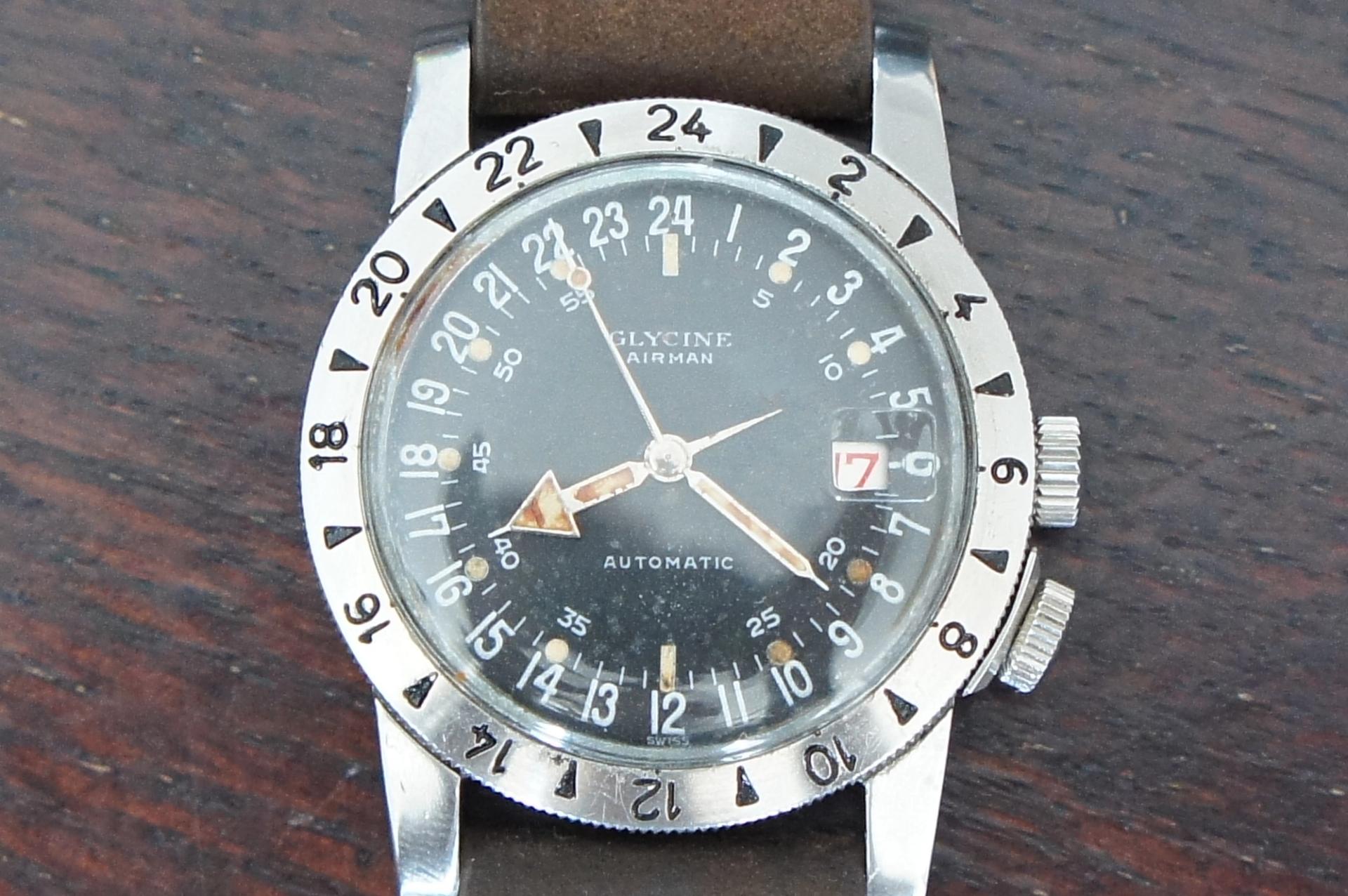
Los pilotos resuelven esto trabajando con una sola hora de referencia, GMT (o "Zulu"), dondequiera que estén físicamente. Pero aún necesitan la hora local, idealmente de un solo vistazo. Glycine llegó primero con el Airman en 1953, un dial de 24 horas con un bisel giratorio para la segunda zona. Un año después, Pan Am pidió a Rolex su propia versión, y el GMT-Master llegó con un bisel rojo y azul y una manecilla extra apuntando a él, tan limpiamente hecho que "GMT" ha sido sinónimo de "segunda zona horaria" desde entonces.
También había una opción más grandiosa. El worldtimer, un mecanismo que un relojero ginebrino llamado Louis Cottier había estado refinando desde los años 30, rodeaba el dial con dos docenas de ciudades y mostraba todas las zonas de la Tierra a la vez. Excesivo para la mayoría de la gente en 1935. Exactamente correcto para una generación que había comenzado a cruzarlas todas al anochecer.
Dos ideas, entonces, de un siglo de vuelo: mantén un ojo en casa y uno afuera, o despliega el mundo entero frente a ti. Todavía definen el reloj del piloto viajero, y son la razón por la que construimos los dos relojes que hacemos.
Lo que nos trae al presente
Las cabinas modernas navegan por satélite, y ningún piloto de aerolínea necesita un reloj mecánico para encontrar París. La necesidad construyó estos relojes; simplemente no es lo que los mantiene vigentes ahora. Un instrumento claramente dibujado que hace una cosa correctamente todavía se siente bien en la muñeca, y lleva consigo cien años de diseño duramente ganado. Toda esa resolución de problemas produjo algunos relojes genuinamente buenos y nos entregó una guía muy clara.
Ahora, nuestras propias dos respuestas a esa guía están de vuelta.
El Worldtimer es el descendiente directo de la idea de Cottier: un cronógrafo de titanio Grado 5 con las 24 zonas dispuestas alrededor de un bisel de cerámica, leídas directamente desde la muñeca. Regresa para un segundo lote en diales tanto negro como blanco, abierto para pre-orden ahora.
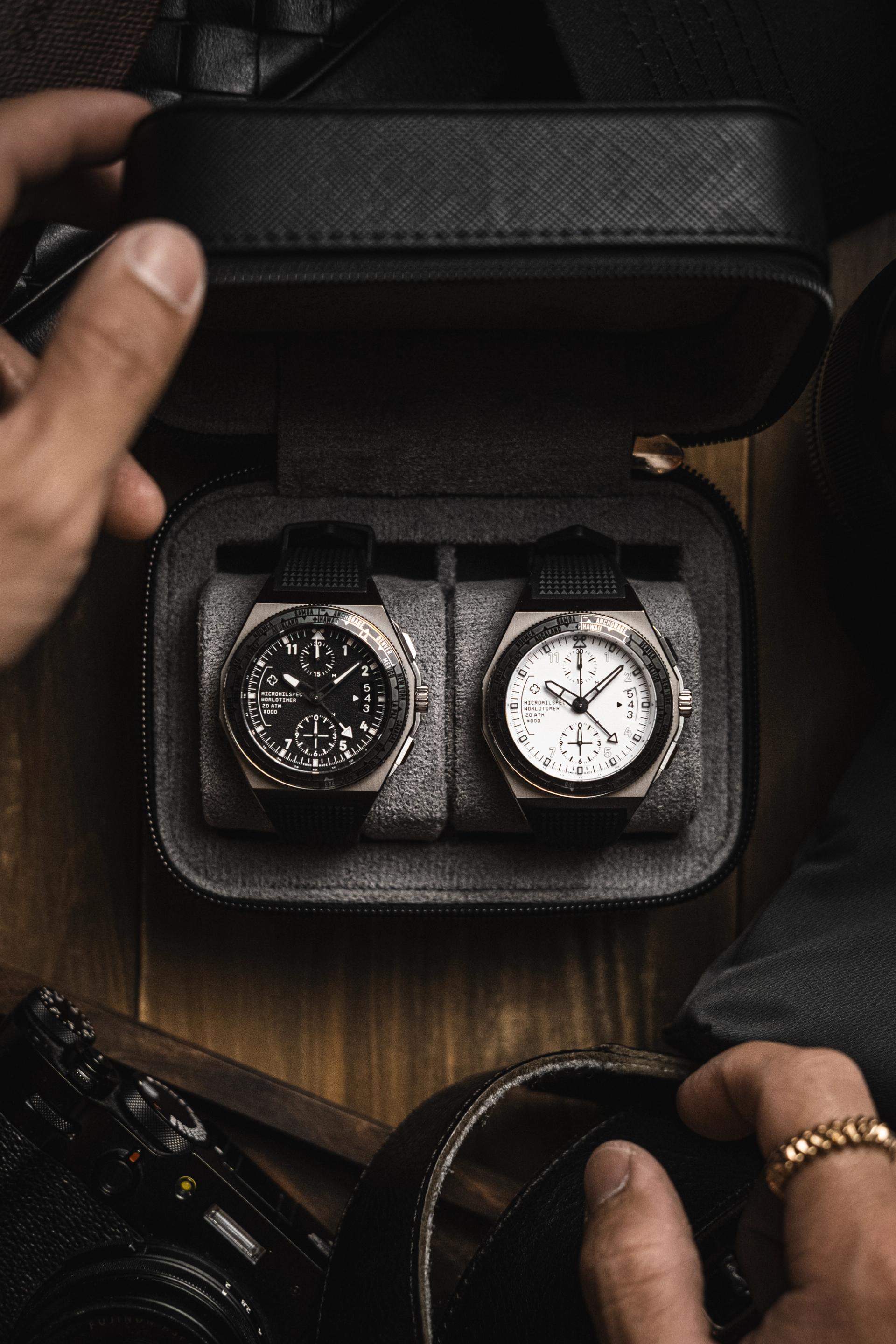
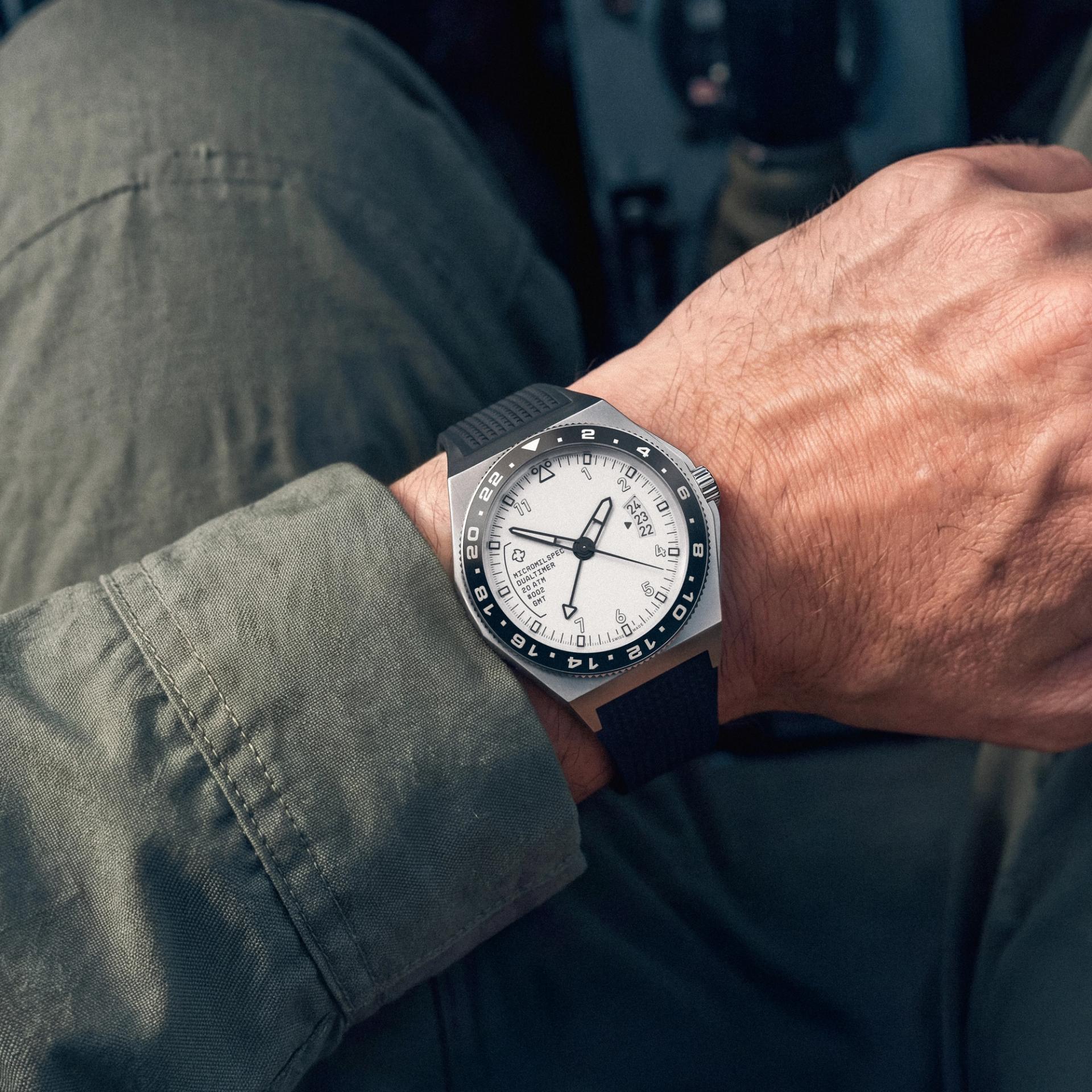
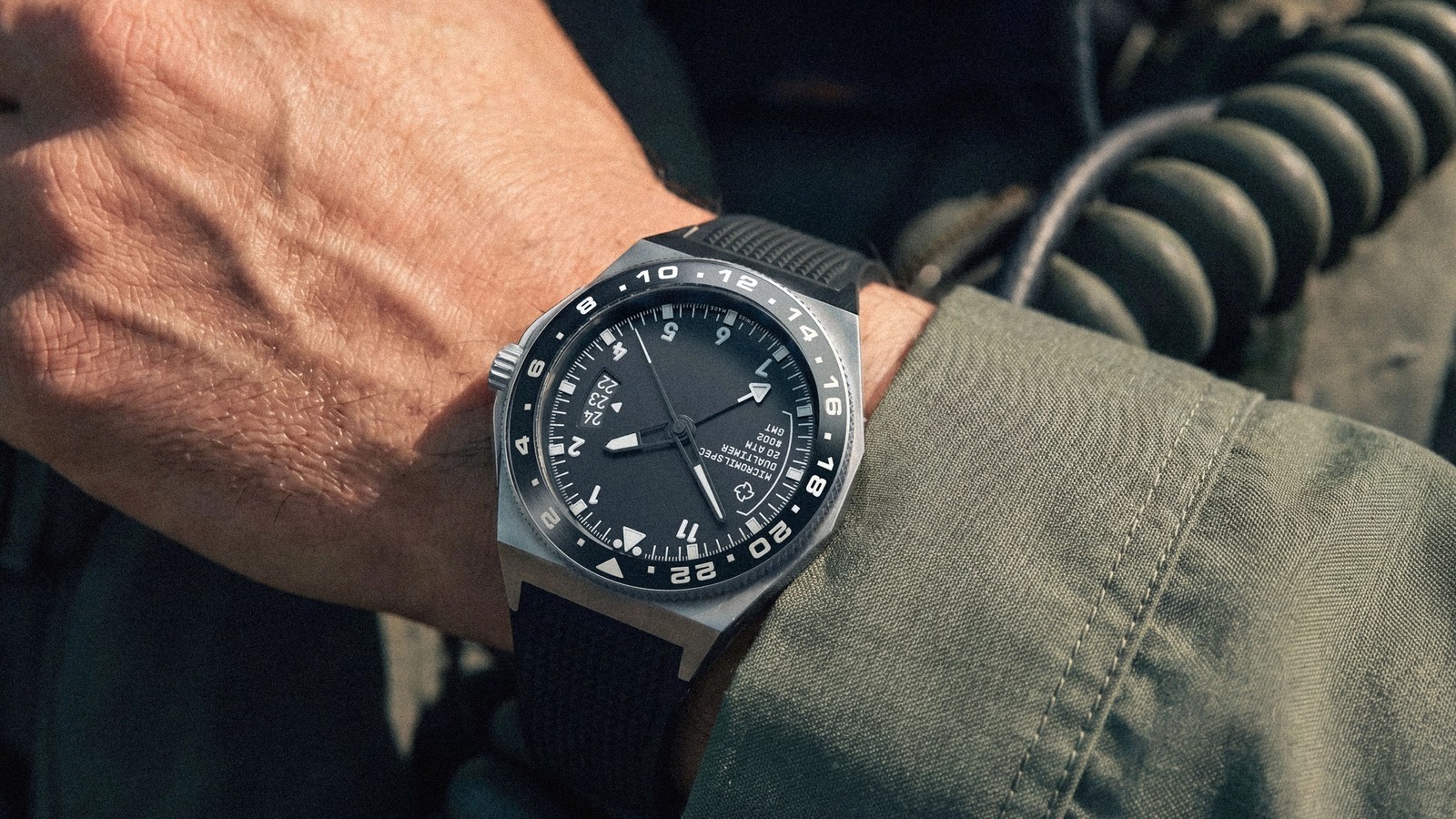
El Dualtimer toma la ruta más esbelta del GMT-Master (hora local y de casa, nada que no necesites) en un reloj herramienta limpio y legible. Regresa en negro, acompañado por primera vez por una versión de dial blanco. Ambos están abiertos para pre-orden.